
Underwear RFQs: Separate Garment Units
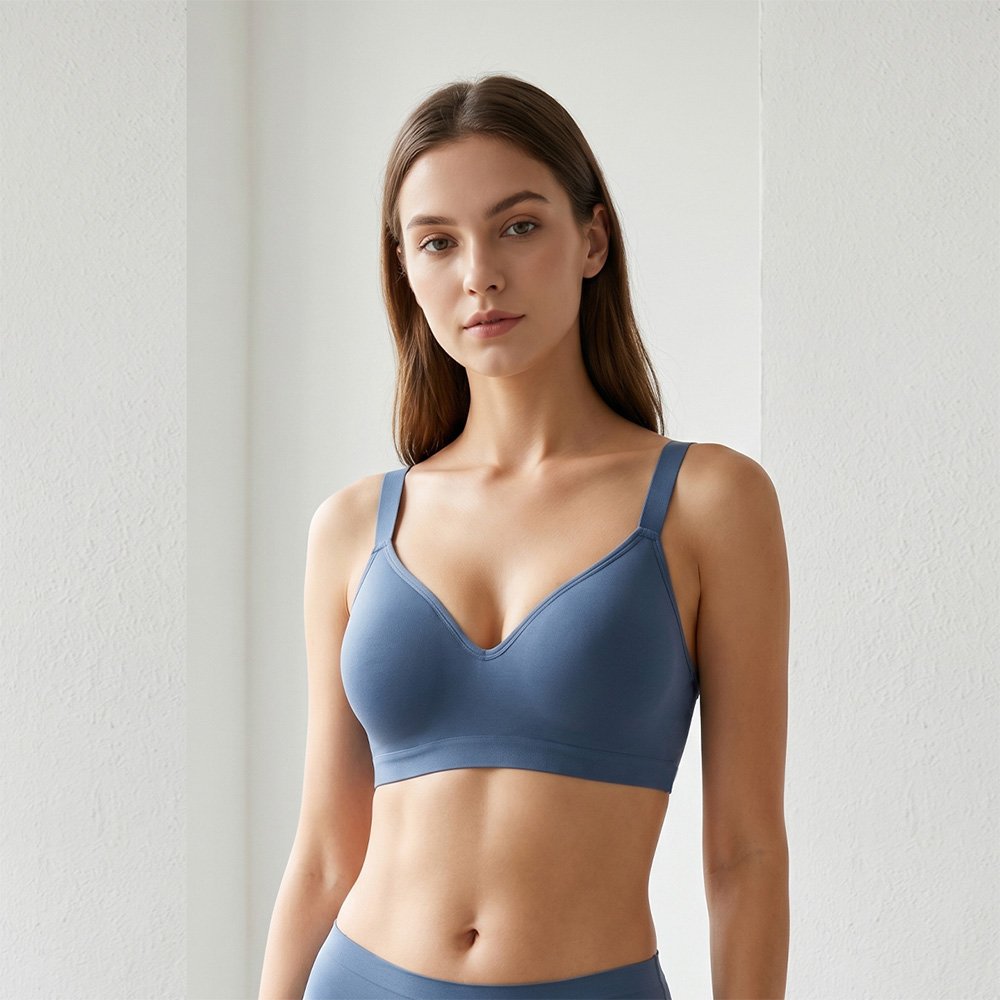
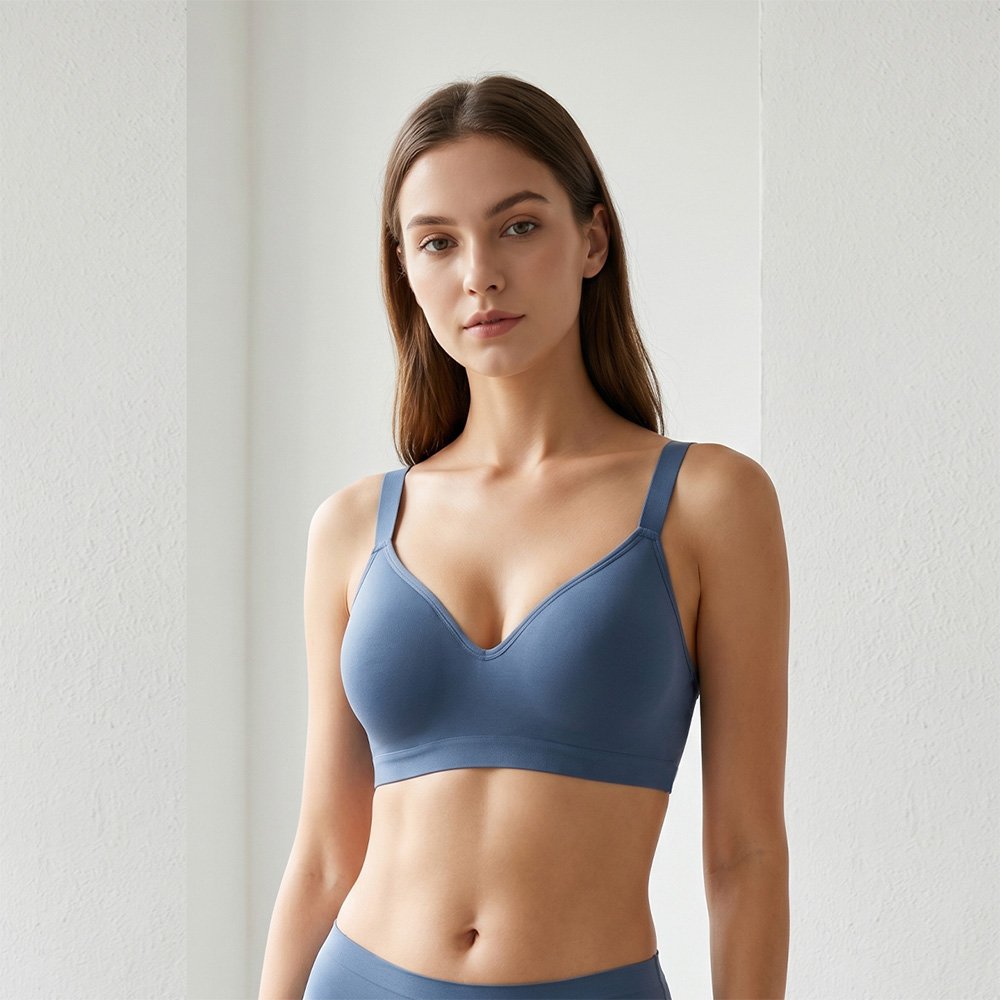
Prepare an underwear RFQ with a separate line for each finished garment style and an explicit quantity unit. Identify any confirmed inserts or other components without counting them as extra garments. Ask whether the offer covers individual items or a defined set, because a coordinated model photograph does not establish the supplied contents or the commercial unit.
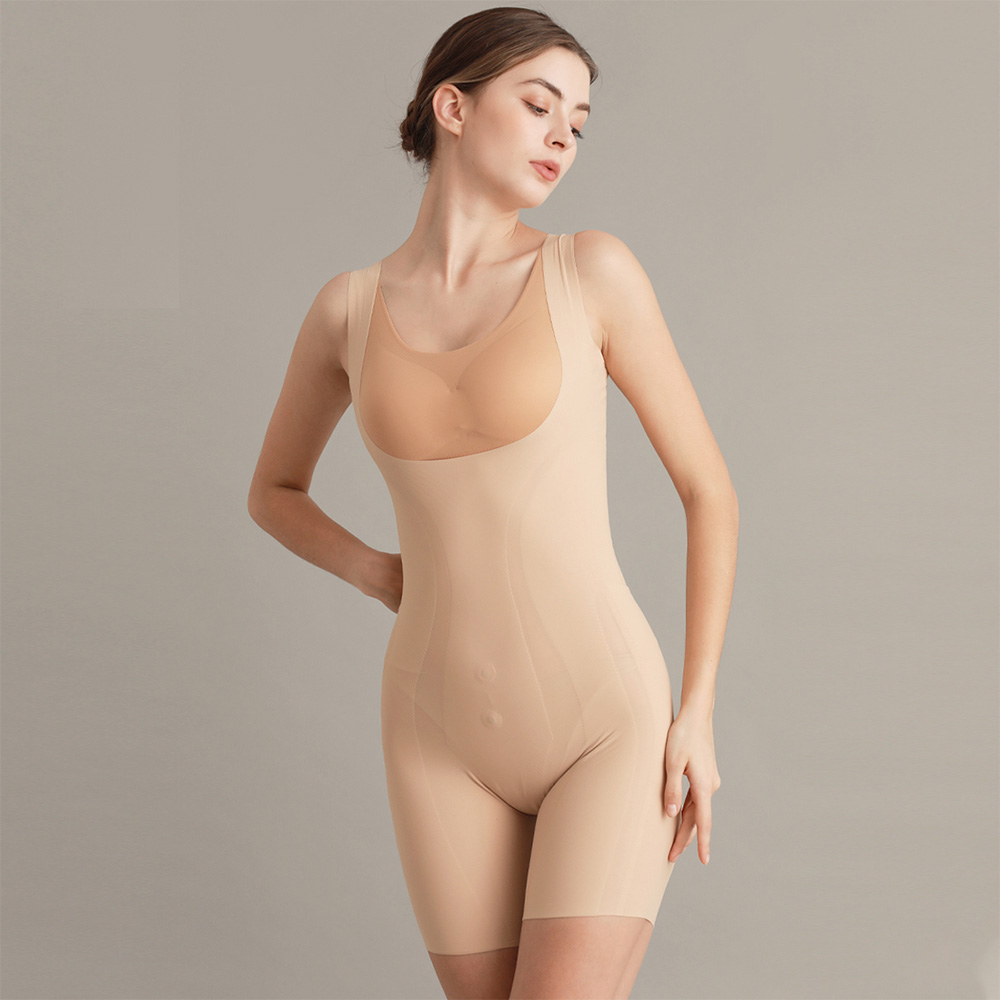
A bra can appear with a matching bottom in a catalogue image while the product page names only the bra. A bodysuit has another complete garment identity. For wholesale buyers, a quotation comparison needs to distinguish those items before quantities are added. This guide concerns what the requested unit contains, rather than judging a material grade or assuming performance from the way a garment is displayed.
1. Give the complete garment its own line
Use the exact product reference and requested version for each finished item. Gangsha lists the 0589 bra, 0616 bra and 0587 bodysuit separately. Keep those names on different RFQ lines so a supplier response can identify which garment it covers. A broad request for underwear leaves the individual product scope unclear.
Retain the selected catalogue image as an appearance reference. If it shows another garment on the model, ask whether that item is part of the requested offer or simply part of the styling. Do not let a coordinated appearance silently convert a quotation for one named garment into an assumed multi-piece set.
Official catalogue reference: 0589 bra catalogue reference.
2. State the quantity unit explicitly
Ask whether the quantity refers to individual finished garments or an expressly defined set. When requesting a set, list its member styles and the number of each member. Keep the set count distinguishable from the total number of garments contained within those sets, especially when several product families are ordered together.
Request the same quantity basis on the supplier’s quotation. A figure without its unit cannot reliably describe whether the offer covers a single bra, one complete bodysuit or another defined combination. Leave the basis unresolved until confirmed rather than adopting an informal use of piece, pack or set from an earlier conversation.
- Name one complete garment per product line.
- State individual garment or expressly defined set quantities.
- Clarify component scope without assuming removability.
- Keep requested variants and supplier alternatives identifiable.
3. Identify components without assuming construction
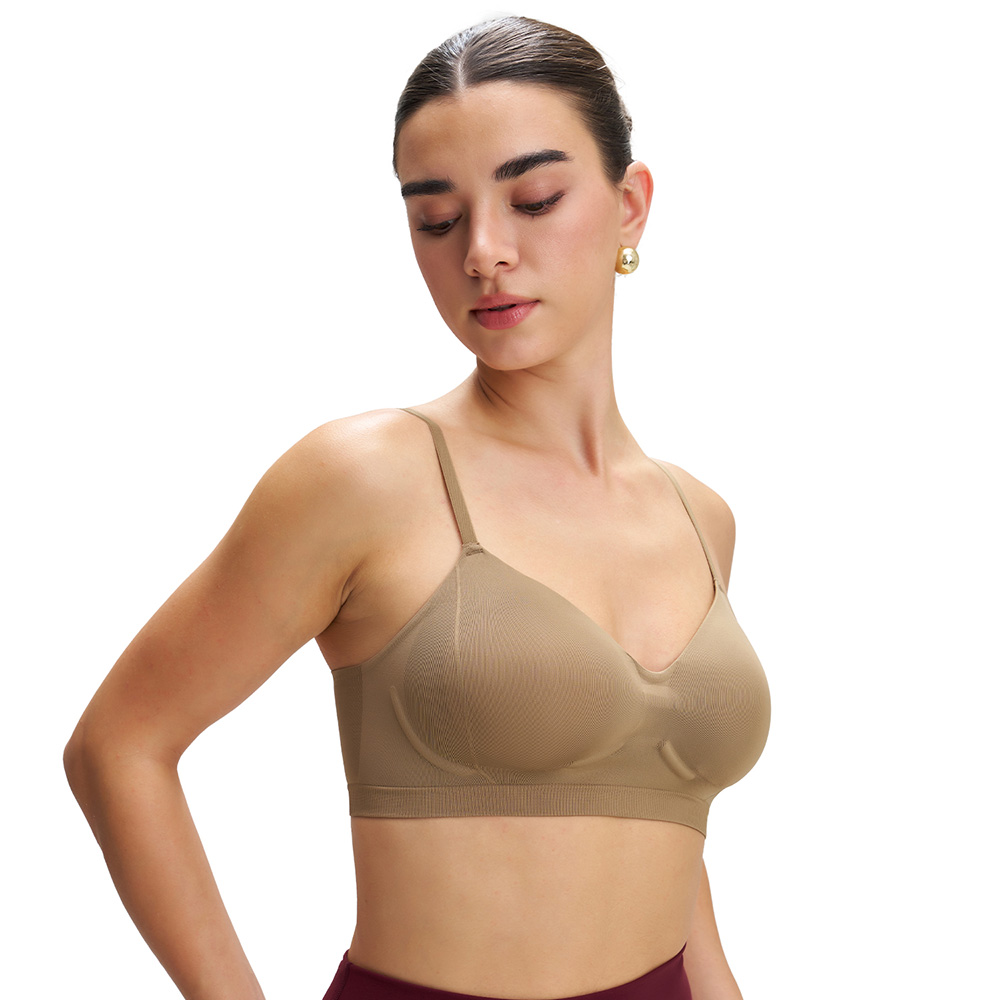
Ask which components belong to the supplied garment configuration. Where padding or an insert is relevant, request confirmation of its exact scope and whether it is part of the finished item or a separate requested component. Do not infer removability, a material grade or an extra supplied piece from a product description or front image.
The catalogue descriptions for the two bra references are not identical. Keep each response attached to its own version and ask the supplier to clarify any component question. A construction or material statement for one item should not become the default specification for another item merely because both are listed under bras.
| Enquiry field | Definition to request | Do not assume from |
|---|---|---|
| Garment identity | Exact bra or bodysuit reference | A broad underwear category |
| Unit | Individual item or defined set | Coordinated styling on a model |
| Component scope | Confirmed included or separate items | An apparent padded shape |
| Alternative | Changed item linked to the original line | Similar colour or product name |
4. Keep variants and alternatives traceable
Give each requested style, colour and size combination a stable line code where those selections apply. Ask the supplier to identify the available proposed version and any unanswered fields. A family-level photograph does not establish every possible combination, and a visible colour does not confirm the complete composition of the order.
If an alternative is proposed, record it against the original line without overwriting the request. State whether accepting the alternative would change the garment type, set membership or component scope. This allows the purchasing team to compare the actual merchandise being offered instead of comparing quotations that happen to share a similar description.
5. Reconcile the scope before comparing terms
Review the complete garment description, unit basis, variant lines and confirmed components together. Ask the supplier to acknowledge the resolved schedule for the current quotation. Prices, minimum quantities and delivery remain direct commercial questions; the website’s catalogue identity does not establish those terms for the proposed order.
Use the same line codes when requesting samples or receiving information. If a sample includes a demonstration item not present in the offer, record that difference explicitly. The RFQ schedule then defines the requested merchandise while construction approval, measurement records and any required material or performance evidence remain separately reviewable.
Frequently Asked Questions
Does a bra image include the model’s other clothing?
Not automatically. Ask which named garment or defined set the offer covers. Styling in the photograph does not establish commercial inclusion.
Does visible padding identify a separate included insert?
No. Ask the supplier to identify the construction and supplied component scope for the exact version, including whether any separate item is actually offered.
Can a bodysuit and bra share one quantity line?
Keep their garment identities and requested quantities explicit. If a mixed pack is wanted, define its member breakdown rather than using a single ambiguous underwear quantity.
For a product-specific enquiry, 0589 bra catalogue reference is the catalogue starting point. Read the supplier blog and contact the supplier with the references and open questions described above.