
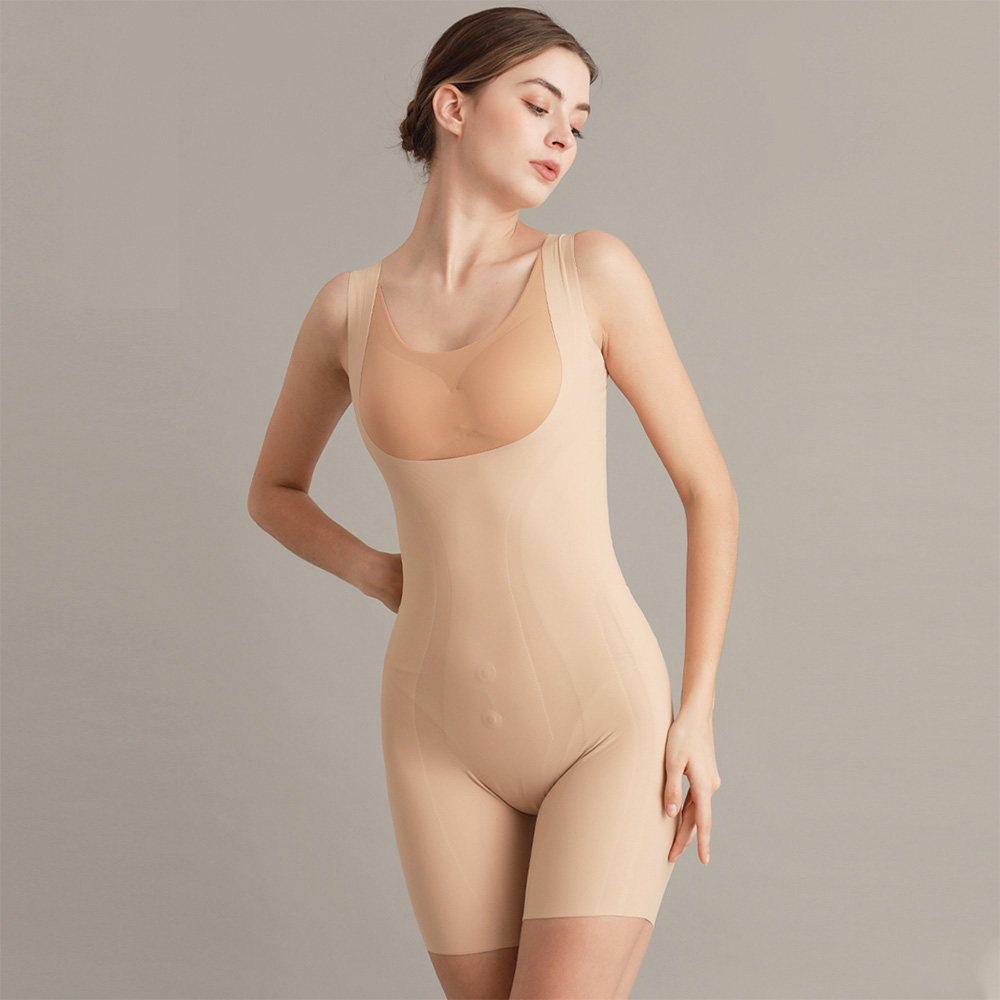
Bodysuit Size Sheets: Define Body Length Points
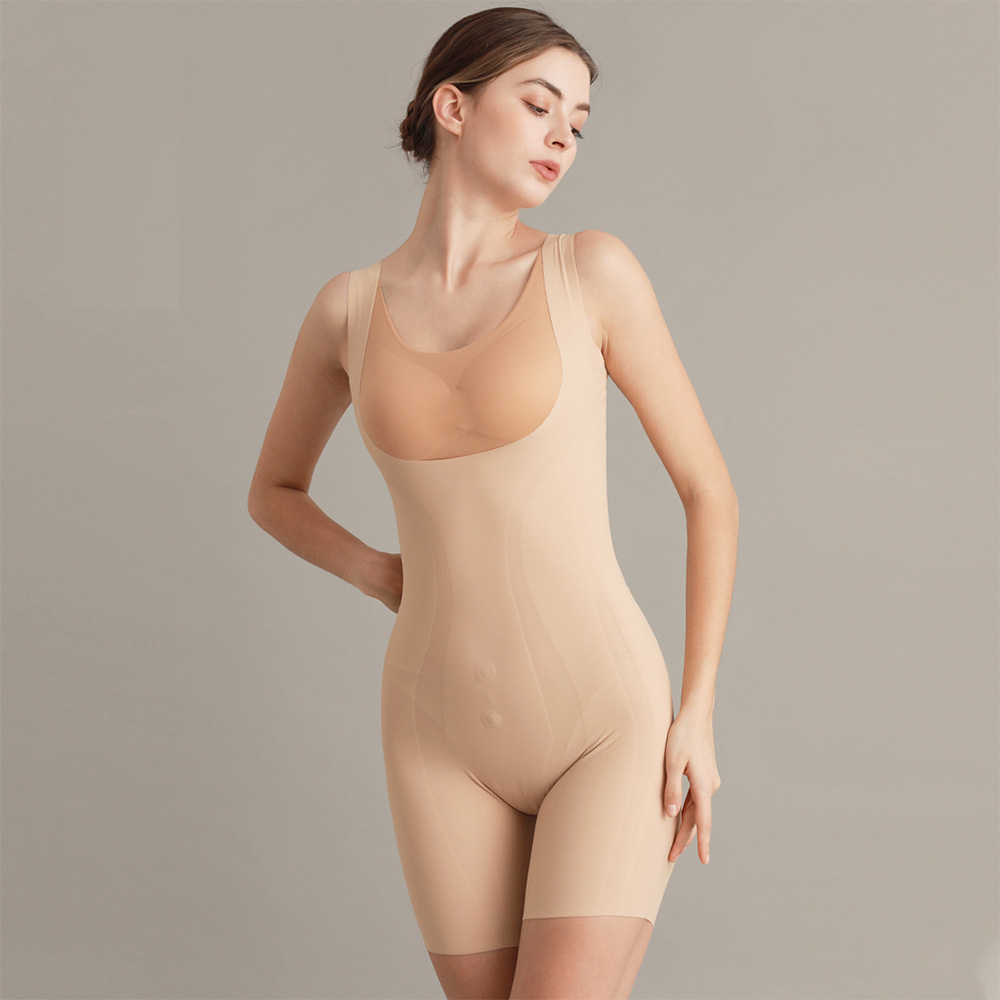
A bodysuit body length field needs named endpoints, a defined garment position and the closure state used for measurement. Request an annotated method for the exact style instead of comparing numbers labelled only length. Keep garment measurements separate from wearer body measurements, and ask the supplier to confirm how its size labels relate to the supplied measurement sheet.
Two size sheets can use the same length heading while measuring different paths on a bodysuit. The difference becomes more important when comparing a sleeveless short-leg design with another sleeve or lower-opening arrangement. This guide helps a buyer define the measurement record. It does not prescribe a universal fit standard or promise how a garment will shape the wearer.
1. Name the style and measurement field
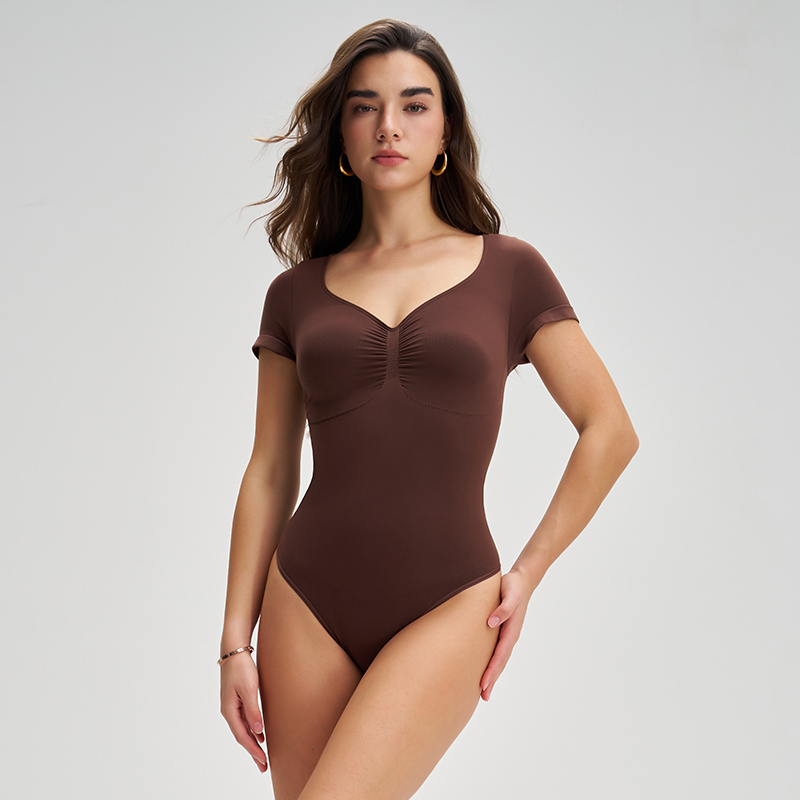
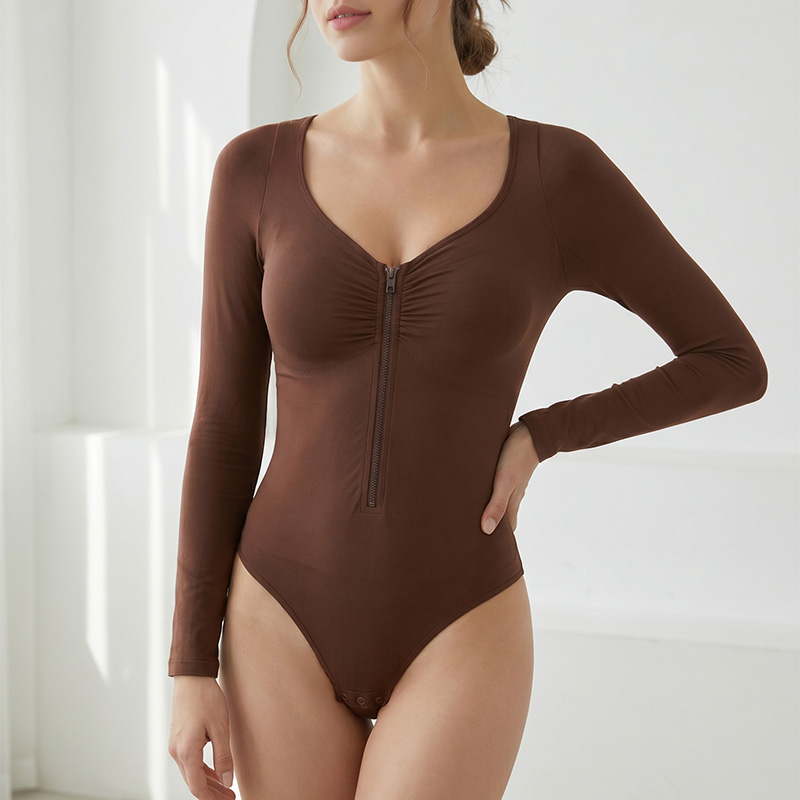
Begin with the exact product reference, sample identifier and supplier size label. The 0587 listing and the short sleeve and front zipper bodysuit references describe different styles. Keep their measurement sheets separate unless the supplier explicitly identifies a common field and explains the scope in which the same method applies.
Replace a general length column with a description of what is actually being measured. Ask which part of the garment starts the measurement and where it ends. The buyer should be able to identify those points on an annotated view without having to infer the intended path from a model photograph.
Official catalogue reference: 0587 bodysuit catalogue reference.
2. Agree the endpoints and the path
Ask the supplier to mark the endpoints on a garment outline or a clear sample photograph. Identify whether the measurement follows a straight span, a seam path or another defined route. A neckline, shoulder reference or lower opening can introduce different starting and ending conventions, so the drawing should resolve the actual method being proposed.
Do not estimate the measurement by scaling an image of a person wearing the garment. Pose, perspective and the garment’s worn condition make that an unsuitable substitute for an agreed measurement method. If the returned sheet uses an unfamiliar term, ask for clarification before entering its value into a comparison.
- Name the exact style, sample and size label.
- Mark both endpoints and the intended measurement path.
- State garment position and closure condition.
- Separate garment dimensions from wearer measurements and performance.
3. State garment condition and closure state
Record how the sample should be positioned for the measurement and whether it is measured relaxed or under an expressly defined condition. Ask how confirmed fastenings are arranged during the measurement. A sheet that omits the closure state can leave two reviewers measuring a different effective span on the same physical item.
Keep any stretched or extended measurement in a separately named field with an agreed method. Do not derive a stretch limit, recovery result or compression property from a model pose or a material description. The purpose is a repeatable purchasing record; any required material or performance evaluation remains a separate question.
| Sheet field | Definition needed | Keep separate |
|---|---|---|
| Body length | Named endpoints and path | A generic catalogue length label |
| Garment condition | Position and closure state | Unspecified stretching |
| Size identity | Supplier label for this version | Assumed wearer fit range |
| Observation | Actual value and units | Unagreed tolerance or grading rule |
4. Separate size labels from measured dimensions
A size label identifies the supplier’s proposed version but does not explain every garment dimension or wearer range. The selected catalogue references use different size descriptions, including a one size description on the 0587 page. Ask for the applicable measurement information rather than treating such wording as evidence that one garment fits every person.
Keep wearer body measurements, finished garment dimensions and any proposed fit guidance in different fields. Ask the supplier to explain their relationship for the exact item. If a size or measurement remains unconfirmed, leave it pending instead of borrowing the value from a neighbouring style or filling the gap with an assumed grading rule.
5. Retain the method with the observations
Record the sample identifier, size label, method revision and actual measured values together. State the units and any agreed acceptance range separately. Do not invent a tolerance from a rounded catalogue number. If an observation differs from the proposed sheet, retain the original record and ask the supplier to resolve the specific point.
Before approving the size reference, reconcile the annotated method with the supplier’s response. Keep the physical sample and relevant photographs available for later comparisons. A useful measurement sheet makes the method reproducible while preserving the boundary between what the buyer measured, what the supplier declared and what has not yet been evaluated.
Frequently Asked Questions
Does one size mean every wearer has been covered?
No universal fit conclusion follows from that label. Ask for the size information and measurement method applicable to the exact version before preparing a purchasing comparison.
Can two length values be compared without a drawing?
First confirm that they use the same endpoints, path and garment condition. Identical field names can conceal different measurement conventions.
Does a worn photograph establish an extended measurement?
No. Request the actual method and record any extended dimension separately. A pose does not establish a stretch limit, recovery result or measured performance.
For a product-specific enquiry, 0587 bodysuit catalogue reference is the catalogue starting point. Read the supplier blog and contact the supplier with the references and open questions described above.