
Active Bottoms: Separate Inseam and Hem Length
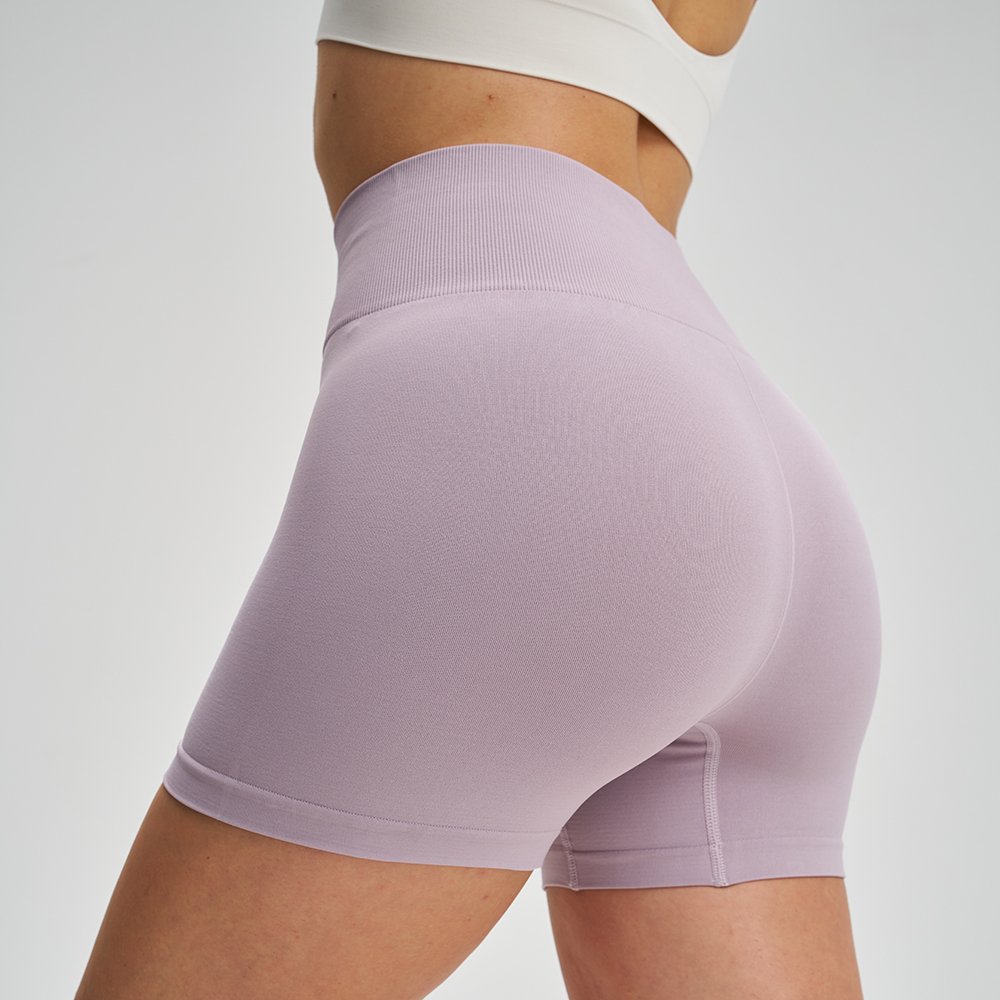
5515 Yoga Shorts catalogue reference. The model view identifies the style; it provides no scaled inseam measurement.
When sourcing active bottoms, request an inseam reference for shorts or leggings and a separately defined length reference for a skirt. Gangsha lists 5515 Yoga Shorts, 0930 Cropped Yoga Leggings and 6093 Active Skirt as different products. Give each style its own measurement fields. Their names identify garment types, but the cited pages do not provide a numerical length chart.
This matters when a buyer wants a shorter or longer option for a range. A request headed only “length” may produce values measured along different parts of the garment. A useful purchasing sheet names the feature being compared and retains the product reference, sample and measurement path. It lets the supplier respond without inventing a shared size rule for three different constructions.
Start with the actual bottom style
The 5515 Yoga Shorts page supplies the product identity and a worn catalogue image. The 0930 Cropped Yoga Leggings page identifies a separate lower-leg silhouette. Neither “shorts” nor “cropped” is a numerical inseam specification. Ask for the supplier’s offered size labels and the corresponding garment measurements for the selected version.
Keep the 6093 Active Skirt on a distinct measurement sheet. Its catalogue image shows a skirt silhouette with a coordinated top, but does not describe an inner short or its measurements. Do not assign an inseam field to the skirt itself or assume that an unseen inner garment is supplied. Ask about any relevant construction separately.
Give inseam and skirt length different definitions
For the requested shorts or leggings, ask the supplier to mark the proposed inside-leg starting point and hem endpoint on a simple garment outline. State whether the agreed route follows a seam or another marked path. Keep the definition with the returned value so it can be repeated on the identified sample. Do not infer the path by tracing a seam on a posed model photograph.
Purchasing field
Applies to
Supplier clarification
Inside-leg length
Selected shorts or leggings version
Marked start, hem endpoint and path
Outside or total length
A separately requested garment span
Starting edge and waistband inclusion
Skirt length
6093 offered skirt version
Named waist reference and chosen hem position
Sample condition
Every returned measurement
Garment position and relaxed or agreed condition
Size identity
Each style-specific sheet
Supplier size label and sample identifier
For a skirt, ask where the length begins at the waist and which hem location is used. If the buyer needs front, back or side values, name those fields separately. Clarify whether the waistband is included. This creates a meaningful skirt-length answer rather than placing a different garment span into the same column used for a shorts inseam.
0930 catalogue leggings. The worn leg position and surrounding clothing do not define a measurement method, wearer fit range or supplied outfit.
Use one stated sample condition for each comparison
Ask the supplier how the garment is laid out for the proposed measurement. Record whether it is relaxed or measured under another expressly agreed condition. Keep any extended dimension in its own named field. A photograph of fabric being worn is not a measurement of stretch, recovery or the maximum span that the buyer should use for approval.
If two returned values differ, first compare their definitions and conditions. One may include a waistband while another begins below it; one may describe an outside span while another follows the inside leg. Resolve the field meanings before deciding whether the difference represents a product change. Keep both original responses visible while the supplier clarifies them.
Retain the exact style, offered version and sample identifier.
Attach the marked endpoints and path to every length field.
Use stated units and the agreed sample condition.
Request any proposed tolerance separately for the selected construction.
Request a comparable size response
A useful enquiry can read: “For 5515 Yoga Shorts, please provide the offered size labels and an annotated inside-leg measurement. Mark the start and hem endpoint, describe the measurement path and garment condition, and identify the sample used. Keep any outside length separate. Please flag alternatives rather than replace the requested reference.”
For 0930, request the corresponding leggings fields; for 6093, request the separately defined skirt-length sheet. Buyers preparing wholesale active ranges can send these references through the Gangsha contact page. The resulting record supports a specific length comparison without presenting an assumed fit chart, grading rule or performance promise.
6093 skirt reference. Define its hem-length field separately; the picture does not confirm integrated shorts or inclusion of the styled top, socks and shoes.
Frequently asked purchasing questions
Does “cropped” identify an exact inseam?
It is a catalogue description here. Request the actual inside-leg measurement and method for the offered 0930 size.
Can skirt length and shorts inseam share one column?
Give them different fields because their starting points and paths describe different garment spans.
Does the skirt photograph confirm an inner short?
The cited page does not provide that construction detail. Ask the supplier rather than infer an unseen component or its dimensions.
What belongs with a returned size value?
Keep the style, size label, sample identifier, units, marked path and measurement condition together. Agree any acceptance range separately.
Active BottomsInseamSkirt Length